10 Trusted Mighty Networks Alternatives For Your Community
Looking for a platform to power your online community and sell courses?…
October 5, 2026
From events to online courses, your association provides a variety of content and activities for your members. However, these offerings only have an impact if your members actually engage with them. Even for associations with high participation rates, engagement can drop significantly in between major events.
To help your trade or professional association consistently engage its community, this guide will explore ideas and strategies to energize your members.
But first, let’s define exactly what member engagement means and why it matters.

Member engagement includes all the ways members interact with your association. When members attend events, comment on your blog posts, or message one another, they’re engaging with your association. Associations with high levels of member engagement tend to be dynamic, financially healthy, and positioned to expand their offerings.
Member management and member engagement are closely related concepts, and strong member management often helps facilitate positive engagement. The main difference is that member management focuses on organizing members by collecting data, managing dues payments, and planning activity logistics. With this foundation, your association can host engaging events, create engaging content, and encourage members to engage with one another.
Members who sign up but don’t engage with your association may contribute to your dues revenue, but these individuals likely won’t stay members for long. By creating valuable content and promoting it to members, you can increase engagement and reap several benefits, including:
Essentially, member engagement measures your association’s health. If you have high member engagement, your community is likely loyal, valuable, and eager for your next offerings.
Many associations host just a handful of events every year, and these organizations tend to see flagging engagement during the months between in-person meetups. Increase your memberships’ value and maintain engagement throughout the entire year by building an online community.
On your association’s website, provide access to an online platform just for your members behind your member login. To create this platform, invest in community engagement software for associations. These tools allow trade and professional associations to create personalized social media sites just for their members.
For example, here’s what Tradewing’s very own community engagement platform looks like:
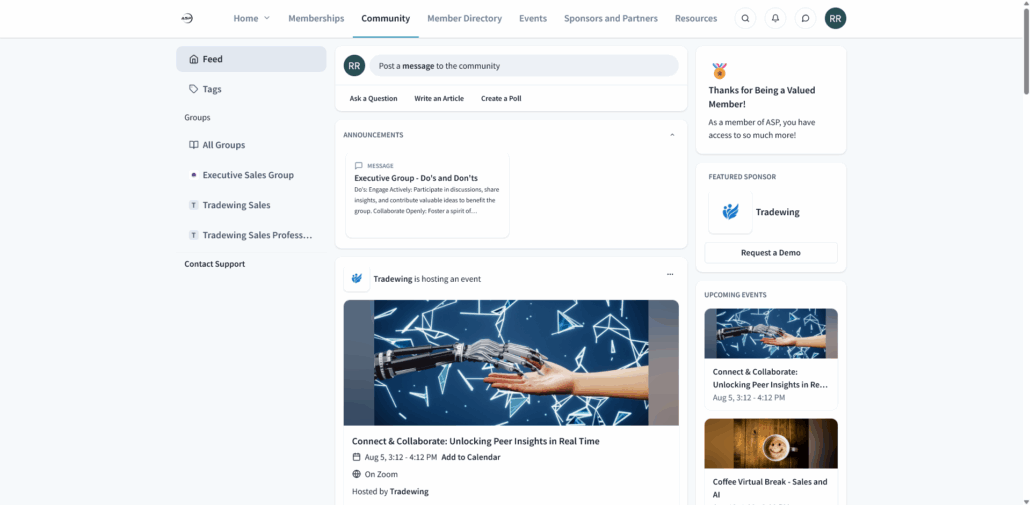
Platforms like Tradewing arm associations with several features for fostering lively online communities, such as:
Popular rivals like Higher Logic and Hivebrite offer similar features but often cater to broader audiences or come with higher pricing, making Tradewing a more focused and cost-effective option for associations and professional groups. Alternatively, some associations use publicly available social media sites like Facebook to host their communities. However, there are several downsides to this compared to a specialized community engagement tool, such as:
There’s definitely still a place for social media in your association’s engagement strategy. Instead of hosting your online community on social media, you can use these sites to post enticing content that draws members to your website and private online community.

Joining an association can be overwhelming, and new members will appreciate a helping hand. Ensure these members have a positive first impression by creating a new member welcome series.
For many associations, this will take the form of an email series. For example, your messaging series might consist of:
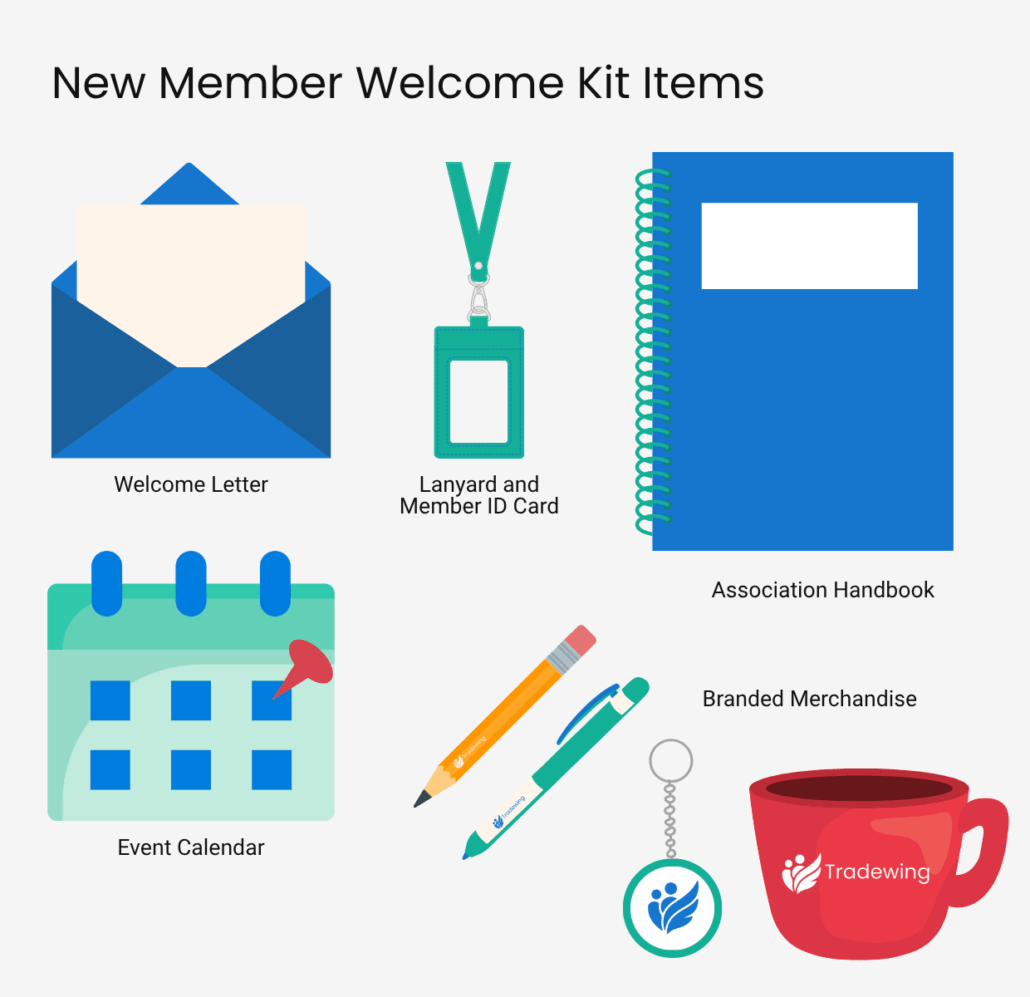
Outside of emails, there are a range of other ways to onboard new members. For instance, you might create a welcome video, host new member welcome events, and announce new members to your community. Some associations even mail out new member kits containing mugs, pens, a welcome letter, and other branded merchandise.
Your association should regularly create content—whether it’s blog posts, training courses, virtual events, or something else—to maintain engagement. However, even with a dedicated content creation team, you’ll likely be unable to produce a continuous stream of posts to keep members engaged throughout the year.
Fortunately, you don’t have to. Consider how social media platforms like Instagram and Facebook very rarely have posts for the actual site maintainers. Instead, users are invited to create posts of their own. Your association can do the same! By encouraging user-generated content, your members can create content to engage one another.
User-generated content can take many forms, including:
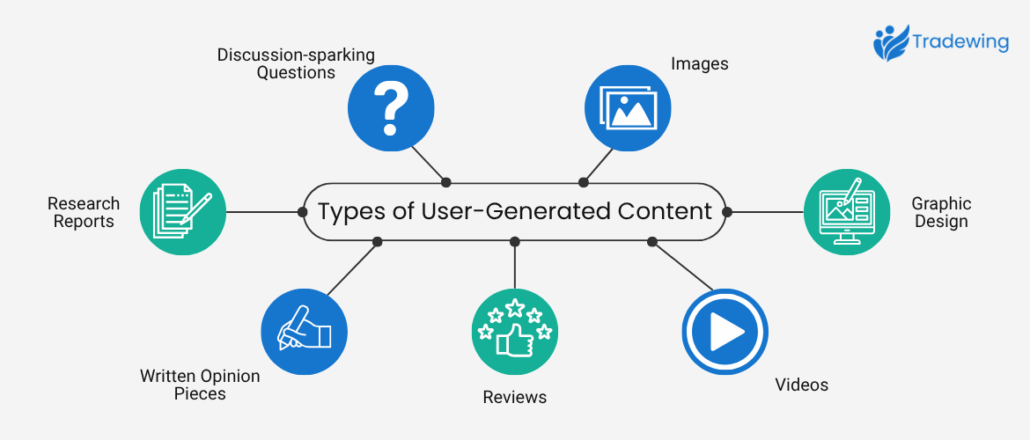
To boost user-generated content, maintain an online community where members can easily share their creations and receive feedback from other members. You might also jumpstart the process by hosting competitions, posting discussion questions, or spotlighting model user-generated content.
Many members join trade and professional associations to expand their networks. However, some members may need help figuring out where to start when it comes to reaching out. Additionally, associations have to balance encouraging member connections while protecting members’ privacy, which might make some members difficult to contact.
You can help members get around these obstacles and streamline the networking process by leveraging:
To help all members continually network, maintain an online membership directory where members can search for one another and send messages. Enable members to decide what information they want visible on their profiles, such as their contact information, job position, alma mater, professional interests, and personal hobbies.
Gamification is the inclusion of game design elements in non-game contexts. For example, an association might create a reward system where members can earn points for posting content, attending activities, and logging into their online member portal every day.
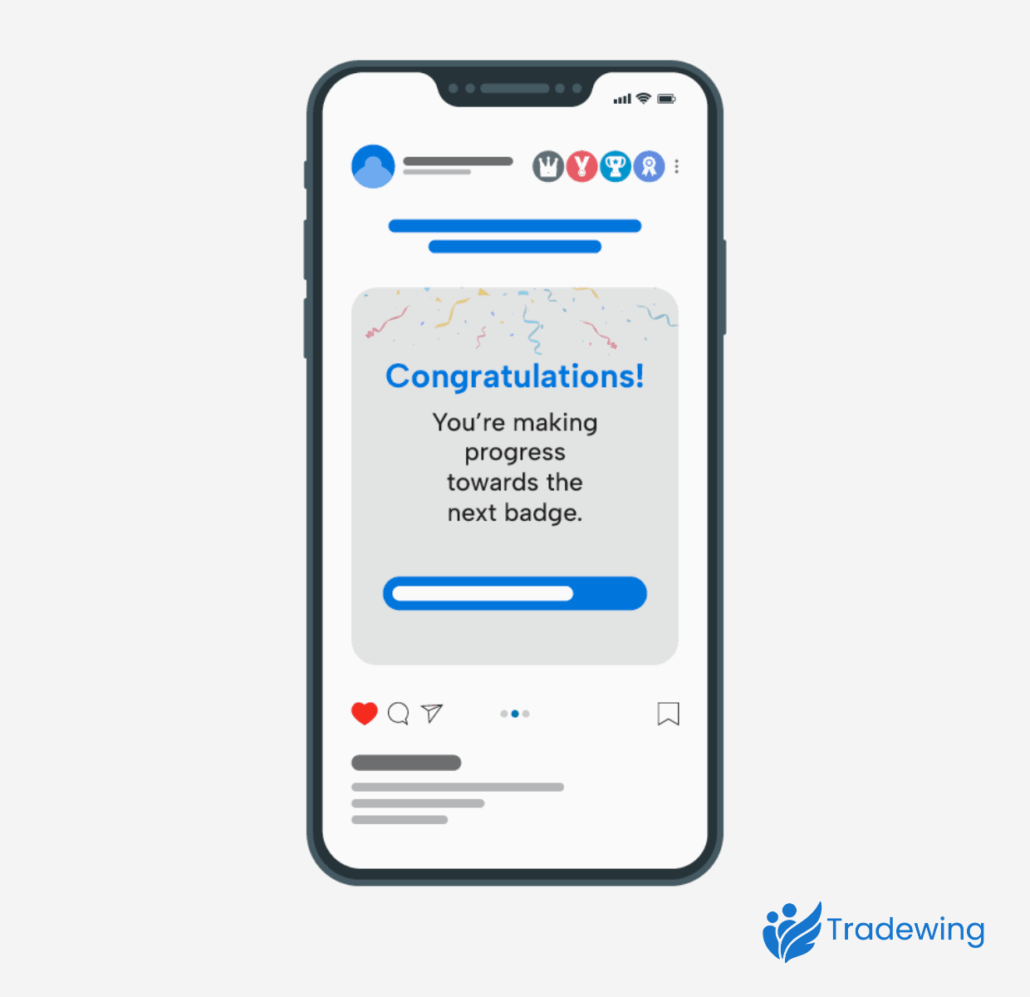
Gamification incentivizes member participation in your association, pushing them to make additional comments, posts, and content to hit the next level, rise on the leaderboard, or earn a badge. A few gamification features you can add to your association’s online community include:
These elements boost engagement by adding an extra reward to participating in your community. Members have a record of their engagement, helping them quantify their participation and fostering a desire to continue adding to it.
The membership renewal process is a key moment for maximizing member retention, but it can also be used to boost engagement. In your association’s membership renewal letters, emphasize your various membership benefits, upcoming activities, and anything else valuable they can engage with if they continue their membership.
Additionally, offer members a grace period for missed payments before cutting off access to benefits. This gives members one final chance to see what they’ll be missing, which can encourage them to commit to another month or year of membership.
Many businesses host corporate social responsibility (CSR) programs to boost their reputation and engage customers and employees. Associations can similarly engage their members and staff by scheduling activities related to giving back.
For example, your association might host an annual volunteer day related to your cause. To partner with a local nonprofit to organize a team volunteer activity for your members, follow these steps:
While volunteering might not be directly related to your association’s main benefits, it can still give members more than just a personal sense of fulfillment. After all, team volunteer activities are the perfect opportunity to network and build a sense of camaraderie. In fact, 35% of individuals volunteer specifically to socialize, and your members can do the same amongst themselves.
Nearly a third of members at professional and trade associations say access to specialized and up-to-date industry knowledge is one of their reasons for purchasing a membership. As such, you should ensure you provide your members with relevant, valuable offerings that will aid them in their careers.
You can refresh your knowledge and develop expert content by:
When your association has cutting-edge content and activities, share them with members. Highlight these offerings through community announcements. This can also be useful content to promote on social media to attract new members.
If you’re not sure what type of content will engage your members, ask them. Create surveys that ask members about their experience with your association. You might ask them questions like:
Ask a mix of multiple-choice and short-answer questions. This allows you to quantify members’ responses while also giving them space to elaborate on their experiences.
Many associations dedicate their resources to communicating with prospective or new members. However, your ongoing communications with existing members should be just as captivating.
Reinvigorate your email campaigns with eye-catching visuals and enticing subject lines. Break out of the traditional email format with interactive elements, like eCards, image carousels, or videos.
Additionally, determine a cadence for sending creative emails. For example, design holiday eCards to send on Valentine’s Day and Christmas. Or, plan an email series around the anniversary of your association’s founding that includes images and videos of founding members and background information on the organization.
Associations with highly engaged members set themselves up for growth, earn more through their offerings, and cultivate a positive reputation in their industry. For professional and trade associations looking to improve their membership rates, start experimenting with engagement strategies and invest in the software you need to connect with your community.
For more member engagement resources, explore these guides:


Rhona is a Marketing Specialist at Tradewing, creating content and campaigns that help associations strengthen member engagement, simplify communications, and support long-term growth.

Looking for a platform to power your online community and sell courses?…
October 5, 2026
Community management software arms your association with the tools it needs to…
October 2, 2026
The association conference isn’t going anywhere. But today’s members increasingly expect ways…
September 4, 2026